


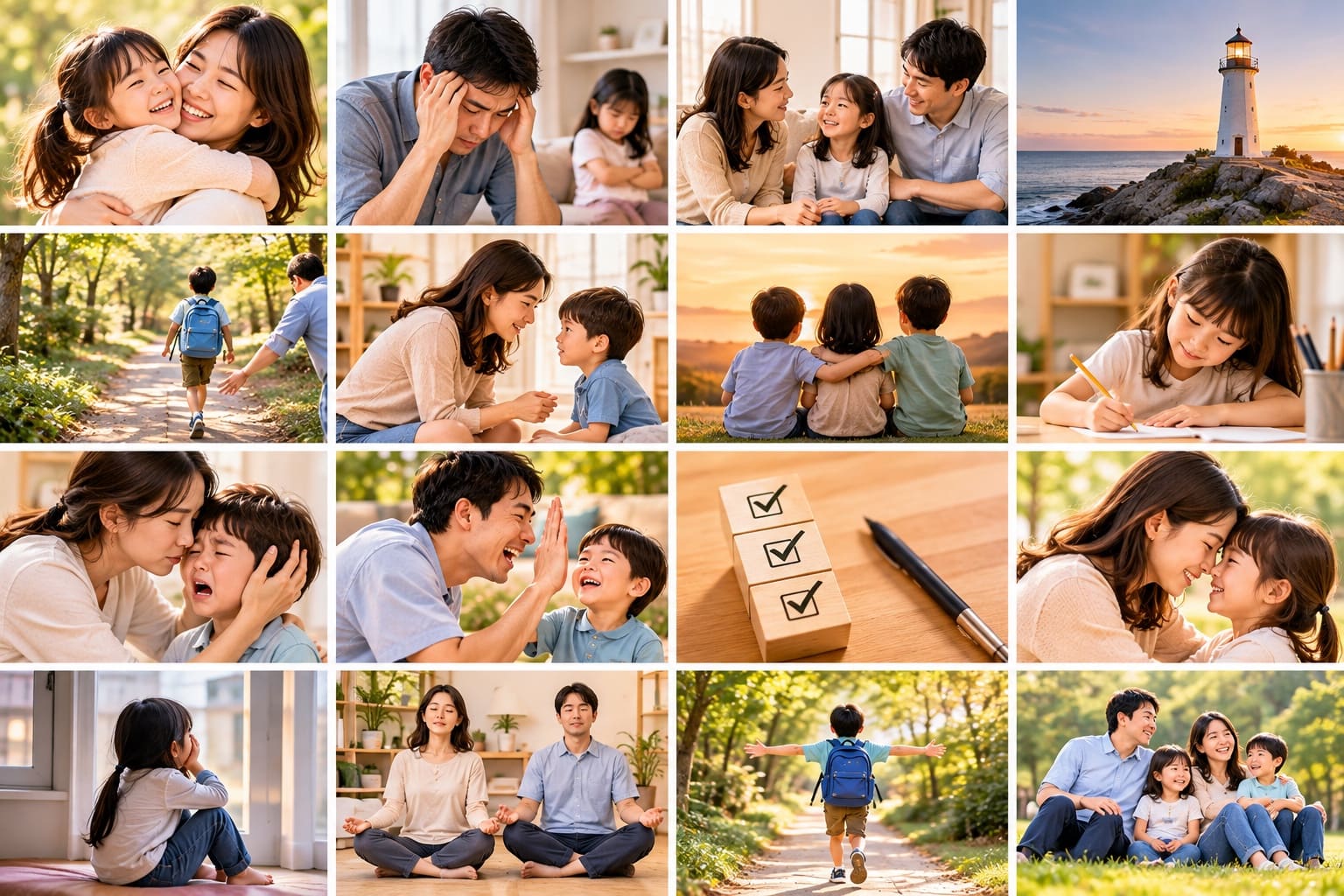
Have you ever noticed the following?
Some parents wholeheartedly give their children everything they can. They put their children first in everything they do and almost wish they could devote their entire lives to them.
On the surface, they seem to give their children unconditional love, but without realizing it, they increasingly tie their own sense of self-worth and purpose to their children. They use criticism as a form of encouragement, demand that their children meet their expectations, and sometimes even place pressure on them that exceeds their capabilities.

Such children may harbor a great deal of resentment toward their parents during childhood, and as they grow up, they may gradually become emotionally distant from them.
There are also other parents who, on the surface, don't seem to love their children as “intensely.”
Children are treated as independent individuals. They are offered support without being put under too much pressure. They are respected and allowed to have their own thoughts and make their own decisions.
They understand that children are not their parents’ property. They have their own lives and their own path to adulthood. It is the parents’ role to support them when they need help, not to walk the entire path of life for them.
The first type of parent is like a sort of “black hole” in a child’s life—it acts as a limitation and constantly pulls the child in.
The second type of parent, on the other hand, is like a “lighthouse” in a child’s life—providing a safe haven while also showing the way.
Someone once said, “Good parenting means staying half a step behind your child and helping them discover who they are. That way, they’ll be better equipped to face the world.”

The quality of the relationship between parents and children does not depend on how much the parents have given, but rather on whether the child feels pressure and criticism or respect, trust, and understanding.
The more parents express their love through intense pressure, the faster their children want to distance themselves from them
I once came across the following question: “Should parents devote more time and attention to their children during childhood, or give them more money later, when they grow up?”
Someone replied, “I need support, not for my parents to be around me all the time.”
Someone else said: “I need them to be there for me. The love I lacked as a child can never be replaced.”
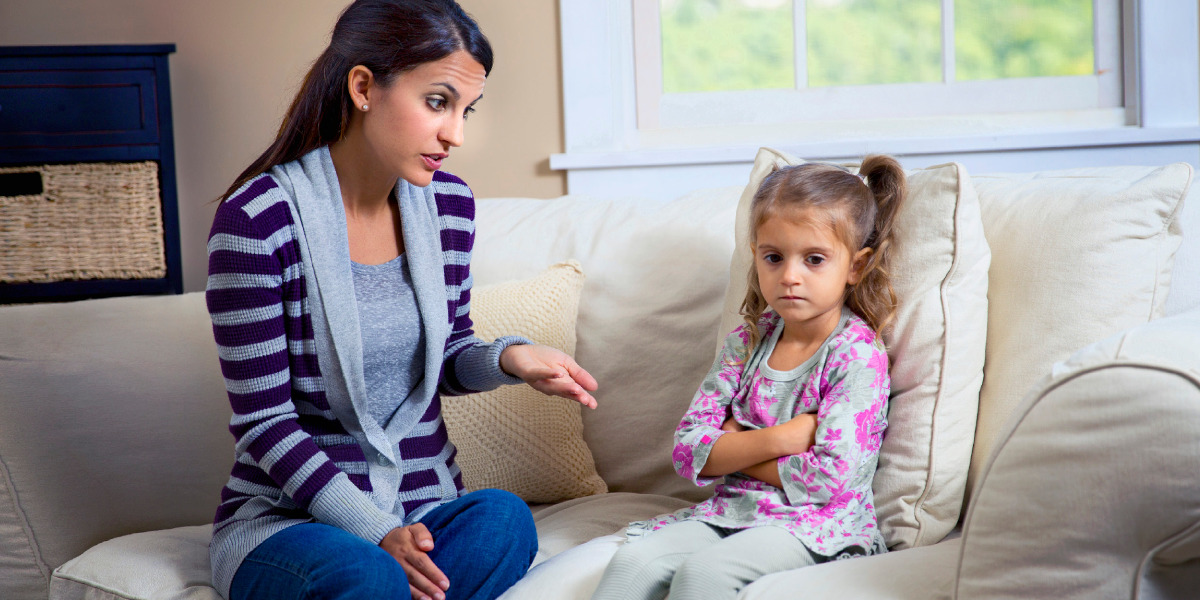
This also reflects reality: whether children will want to maintain a close relationship with their parents when they grow up does not depend entirely on what and how much their parents gave them.
What really matters is whether parents respect their child’s needs as an independent individual and whether they make the child feel respected, trusted, and supported.
A woman shared her experience online.
As a child, her parents looked after her every step of the way, and even after she grew up, they continued to provide her with a great deal of financial support. However, one of her greatest desires as an adult was to distance herself from her parents as much as possible.
The reason was that their love and everything they had done for her brought her, above all, pressure and a sense of guilt, rather than sincere closeness and gratitude.
When she was six years old and started elementary school, she was the youngest in her class. Her handwriting was also quite poor. Her parents wanted all her assignments to receive an A. If even a single letter was written slightly less neatly, they would tear up the entire page with the assignment and tell her to rewrite everything.
The six-year-old child often spent time doing her homework until 11 p.m. Instead of comforting her, her parents scolded her: “Why can’t you be like other kids and get everything right the first time? Every night we stay up until this hour to help you with your homework. Why don’t you even understand how hard we’re trying for you?”
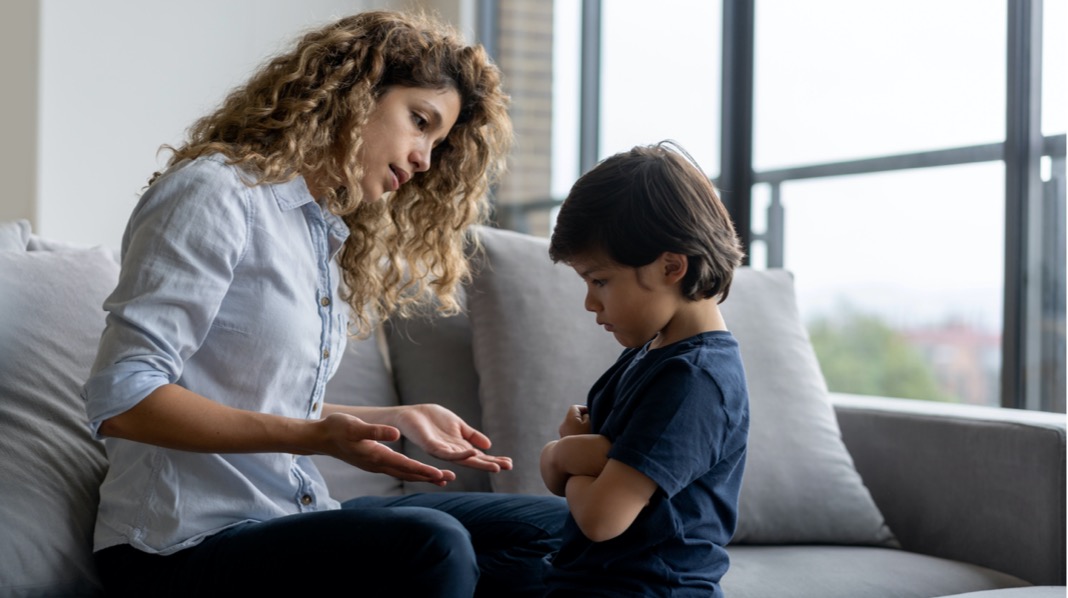
There were many similar incidents. When she participated in competitions, her parents interfered in everything, from preparing her speech to choosing her clothes. They rejected her favorite activities and hobbies, and in the end, they enrolled her in after-school activities that they thought were better.
She once spent a lot of time and effort preparing gifts for her teachers for Teachers' Day, but the parents weren't happy with her efforts. When she fell asleep, they even threw all the gifts in the trash.
Excessive reminders can easily turn into criticism. Unrealistic expectations and overly strict demands, on the other hand, can gradually undermine a child’s intrinsic motivation.
Some parents love their children just as much, but the way they express their love is misguided.
Although their original intention is to help the children, they can’t help but constantly remind them, criticize them, and interfere with their decisions. As a result, the children constantly feel as though someone is watching over them and that they aren’t good enough.
When a child experiences too much anxiety and a sense of helplessness, it is perfectly natural for them to want to withdraw or even resist.
The more openly parents express their love, the more willing their children are to get close to them
Ever since I became a parent myself, I’ve come to believe more and more in one thing: Children do not grow up through constant supervision and direction; rather, through guidance, encouragement, and allowing them an appropriate degree of independence, they gradually develop into independent individuals.
When a family has two or more children, parents often come to believe more and more that each child has a kind of life script of their own from the moment they are born.
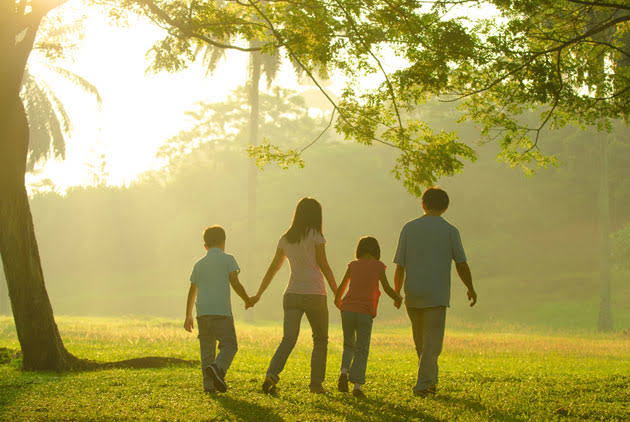
That is why it is important to follow a child's natural development when raising them.
This does not mean that we have to cater to children’s every whim, but rather that, based on each child’s personality, abilities, interests, and needs, we should find the parenting approach that best suits them.
A mother once shared her experience. Her older son was reserved and attentive, while her younger daughter was mischievous, lively, and full of energy.
She didn’t insist on being the perfect mom who controls every detail of her child’s life. She believed: “How much we as parents truly understand our children—and what we can actually do for them—is very limited. Once we realize this, it’s a kind of liberation for both children and parents.”
Once, she wanted to find out if her daughter was happy, so she asked her, “Do you want to grow up?”
During a conversation about life and death, she realized that her daughter already had her own understanding of these issues. She didn’t immediately dismiss her, nor did she force her to accept what were supposedly the “correct” values. Instead, she gently said to her, “I wish I could be your mom in every life.”
This is a wonderful way to support a child: we don’t rush to correct them, we don’t rush to lecture them, but instead we first try to understand what the child is really feeling.
My three children are also very different from one another. Each has their own personality.
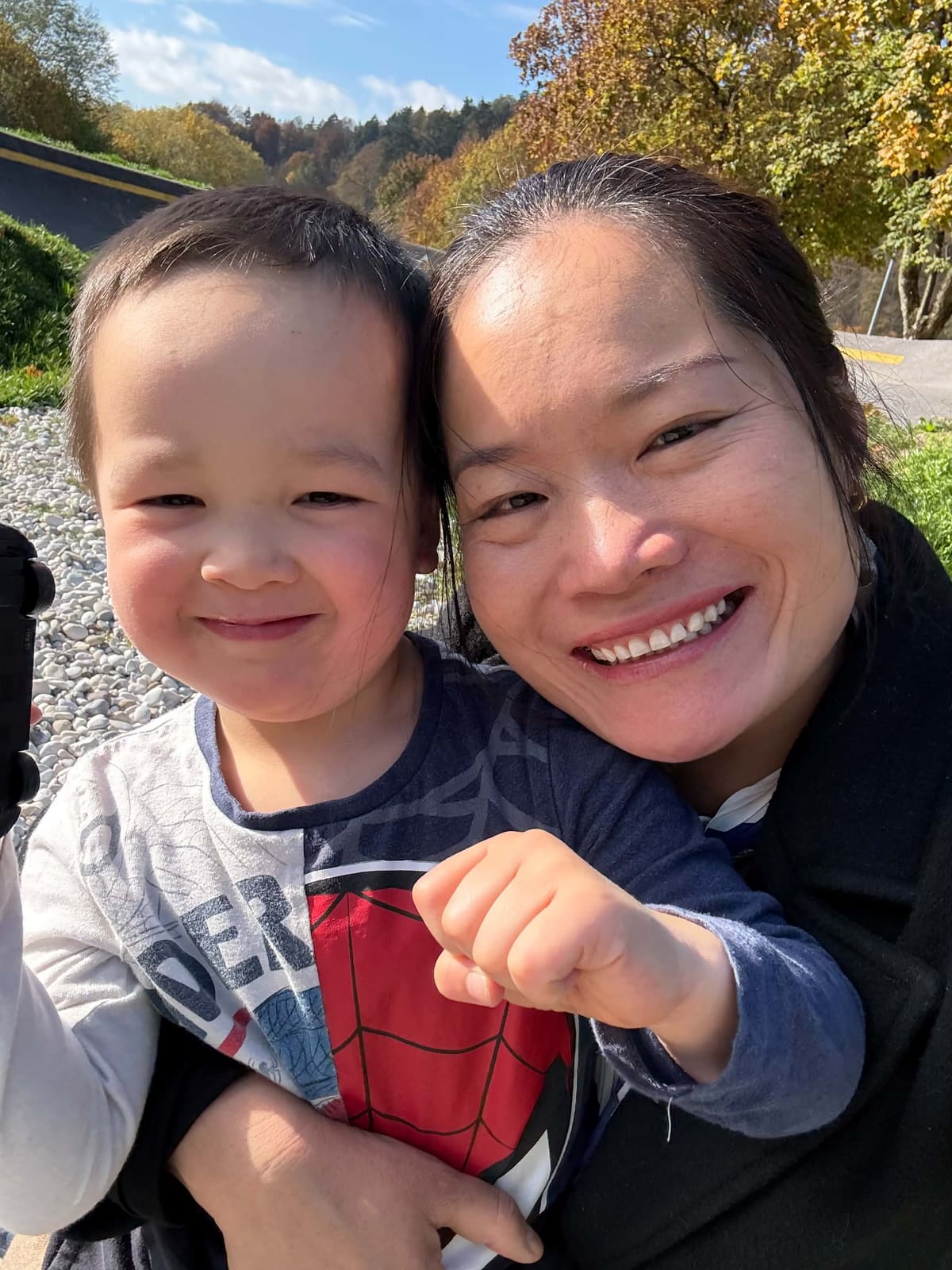
The oldest has loved to play since he was a little kid, but he doesn't like to eat. The second one likes to eat, but doesn't like to play. The youngest likes to eat and is especially fond of cars.
Their sense of responsibility toward their families also varies.
If I were to compare my oldest child and my second child to a husband and wife: The oldest is like a husband. He’s more interested in general family matters. What matters most to him is that everyone is happy and safe and that the family is united.
The other one is just like a mom. He pays more attention to details, notices whether every family member is happy, and thinks for himself about who needs help and care.
The youngest is a boy who has shown a sense of responsibility since he was very young. He often feels that he is the man of the family and that he must protect all the family members.
Three children, three different personalities, and three different ways of expressing themselves. None is better or worse than the others. They’re simply different.
It is not the parents' role to raise them to be the same, but rather to recognize their differences, respect their individuality, and follow their natural development.
I once came across a similar thought in a book: The family is also a space where power dynamics intertwine.
Some parents are accustomed to holding a position of power and demand that their children comply with their wishes and expectations in everything.
Only when parents stop overemphasizing their authority do children have the opportunity to find their place in their relationship with their parents and to express their own opinions.

When a child’s views, abilities, interests, and choices are respected, he or she will find it easier to open up and will be more willing to reach out to his or her parents on his or her own.
In this kind of coexistence, things are much easier for both sides:
- When parents do not go overboard with supervision and disciplinary demands, the child’s resistance also decreases.
- A child’s motivation for personal growth comes from within, rather than from a desire to meet their parents’ expectations. This strengthens their intrinsic motivation.
- Positive emotional memories and pleasant moments that accumulate in the parent-child relationship help the child develop closeness and trust toward their parents.
- When a child frequently feels, “I can do this; I’ll succeed,” it becomes easier for them to develop a stable sense of self-worth.
Ultimately, what matters most is that children genuinely want to grow closer to their parents, who support them and know how to guide them.
Wise parents stay half a step behind their child
Although I’ve already written so much, as a parent I’d still like to say this: Most parents sincerely love their children, and their original intention—when they go out of their way and make sacrifices for them—is a good one.
We must not immediately dismiss the love and effort of parents simply because of some inappropriate parenting methods. After all, no one can go through the entire parenting process without ever criticizing a child, without ever demanding too much of them, or without ever influencing them out of their own anxiety and worry.
Our generation of parents really wants to know how to love our children well, communicate with them effectively, and be a source of support they can rely on and trust.
However, as children increasingly express their own opinions and desire for independence, we, too, must constantly learn how to adapt our parenting style.
If we’re not yet able to let go completely—or if we haven’t quite figured out how to strike a balance between allowing independence, maintaining oversight, and managing our own anxiety—we can start by trying something simple: Take half a step back.
When a child needs us, we offer help and advice in a timely manner. At the same time, we maintain an appropriate distance so that we can stay close without making the child feel smothered.
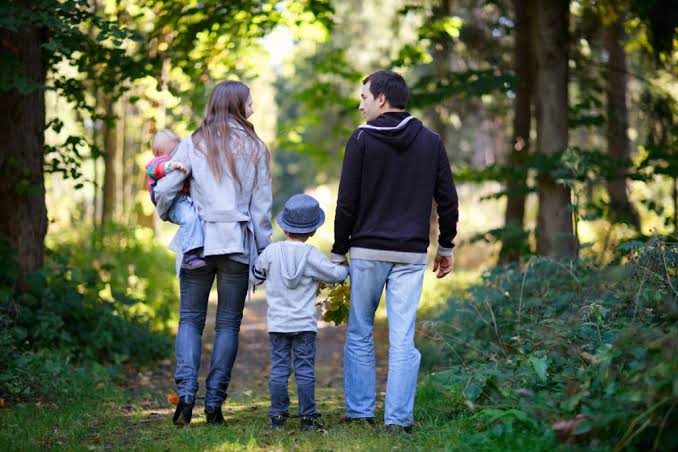
That half-step is also the space we parents set aside for ourselves. It gives us time to calm down, regulate our emotions, and avoid turning our own anxiety into a way to control our child.
A child's anxiety is sometimes linked to the parents' emotions, which the parents themselves are not aware of
While working with clients at the DT Wellness Studio, I, too, came to some very profound insights.
Over the years, I have met quite a few children. Some were still very young, but they were already showing signs of marked anxiety, emotional tension, and even depressive moods.
During my conversations with them and their parents, I noticed that the pressure some children experience over a long period of time is closely linked to the dynamics within the family. Parents, however, are often completely unaware of this.
Especially in some single-parent families, emotions and relationships between parents and children can be even more complicated, which is why it is all the more important for parents to pay attention to this and be aware of it.
Children love their parents very much and care deeply about their feelings. Sometimes, even if parents pretend to be happy on the outside, children can sense their inner dissatisfaction, anxiety, and stress.
We often think that negative emotions won’t affect our children if we don’t express them directly. In reality, however, children may be much more sensitive to the family atmosphere and their parents’ emotional state than we realize.
That is why I would like to invite all parents to ask themselves honestly:
- Am I truly happy?
- Do I bring my children genuine joy, positive energy, and a sense of inner peace every day, or do I unknowingly pass on my anxiety, worries, and stress to them?
We always want our children to grow up healthy, happy, and cheerful, but sometimes we forget that the parents’ emotional state is also part of the environment in which children grow up.
Of course, a child’s anxiety and emotional problems can have many different causes. We cannot simply blame the parents, nor should we judge any family because of this.
Parents, for their part, can start with themselves: they can learn to recognize their own emotions, manage their own state of mind, and show their children more understanding and give them more space.
Only when we as parents learn to calm our inner state can we offer our children a more relaxed and safe environment in which to grow up.

As parents, we often think we love our children more than they love us. In reality, however, a child’s love for their parents may be even deeper than we imagine.
Parents can start by making four changes
1. Let’s not focus solely on results; instead, let’s help children focus on the process.
An excessive focus on results can make the relationship between parents and children increasingly strained.
More important than constantly demanding good grades is supporting children in their efforts and attempts and showing them that the effort they’ve put in is also worthy of recognition, even if the result isn’t perfect.
2. We offer children more choices and fewer predetermined “correct” answers.
Just because parents make an effort for their children does not mean they can hurt or reject them however they please. Likewise, parental love does not mean that children must obey their parents in everything.
Sometimes parents can make the decision, while the children participate. We can talk with the children and do something together. Or we can let the children make the decision, while we stand by them and support them.
We must not present our own wishes as the only correct answer, nor should we constantly replace communication with orders.
3. Respond thoughtfully to the child’s emotions, personal boundaries, and requests for help.
When a child expresses their feelings, clearly sets their boundaries, or asks their parents for help, our first response shouldn’t be to immediately criticize or correct them. First, let’s try to understand why they think that way and why they behave that way.
When a child knows that his or her feelings are acknowledged and that his or her requests for help will be taken seriously, trust and a sense of security can gradually develop in the relationship.
4. We can talk about past events, but let’s not keep bringing up old mistakes to the children over and over again.
Reflecting on an event together helps a child draw lessons from their experiences, learn from them, and grow.
Constantly repeating the same mistakes, however, means that the child has to experience the feeling of failure over and over again.
If a child feels that his or her mistakes will be brought up again and again, no matter how much time has passed, he or she will naturally become less and less willing to talk to his or her parents.
After all, who would want to be in a relationship where they’re constantly being reminded of their mistakes and repeatedly rejected?
Peace of mind is also a gift that parents give to their children
I once came across a sentence in *Harvard Foreign Affairs* that read: “Peace is a hundred times more important than love.”
Love is the foundation and can provide children with wonderful experiences as they grow up. Peace of mind, on the other hand, is an important pillar of a child’s inner stability.
When we as parents respond calmly to various situations and do not cause our children constant emotional turmoil, we help them maintain their inner peace even in the face of external difficulties.
Some parents might say, “This is so hard! How am I supposed to not get angry when my child does something wrong?”
Sometimes we just have to ask ourselves first: What's more important, the object or my child?
The answer isn't difficult.
When a child makes a mistake or accidentally breaks something, they may already feel guilty enough on their own. At a time like this, they don’t need additional criticism, yelling, punishment, or even more pressure. They need an environment where they can calmly come to terms with their mistake.
First, we can calm down and say to the child: “Sweetheart, it’s okay. If you want to cry, you can cry a little—there’s nothing wrong with that. Once you’ve calmed down, we’ll think together about how to solve the problem, okay?”

This doesn't mean we allow our child to make mistakes without consequences. It means we help them understand that mistakes aren't something to be afraid of. It's important for them to learn how to deal with them, take responsibility, and learn from them.
The way we parents solve problems stays with our children for the rest of their lives
I still remember an incident from my childhood. At the time, I was attending a boarding school in another town, and sometimes I could only go home once a month.
Once, after coming home, I went straight to a friend’s house. I was having so much fun playing that I completely forgot I still had the key to my front door with me. It wasn’t until it got dark that I finally headed home. On the way, I was really worried that my parents would scold me. I didn’t know how they’d even gotten into the house.
When I got back, my dad surprised me. With a smile, he said to me, “Cai, look how clever I am! I opened the door!”
Curious, I asked him, “What? How did you get in here?”
My father replied, “I climbed through the back window and opened the door from the inside!”
I couldn't help myself and said, "Dad, you're really awesome! 👍 But sorry, I forgot I had the key with me."
After that incident, I never forgot my keys again.
I still remember my father's smile today, and I'm grateful to him for the way he reacted back then.

He didn't scold me or make me feel embarrassed because of my carelessness. Instead, he defused the situation with humor and a relaxed attitude.
That’s when I realized something important: Sometimes a smile can accomplish more than criticism. It’s more important to offer children warmth than to teach them to be afraid of making mistakes.
It is precisely because of this experience that, when my own children make a mistake, I remind myself not to scold them right away. First, I need to solve the problem. I want my children to understand that mistakes aren’t something terrible. What matters is how we deal with them, how we take responsibility, and how we make sure not to repeat the same mistake next time.
I hope that they won’t remember, above all, what their parents looked like when they were angry, but that they’ll know that even when their parents make a mistake, they can still receive understanding, support, and warmth.
I hope that every parent, while giving their children plenty of love and a sense of security, will also know how to strike the right balance—so as not to overdo it, overstep the child’s boundaries, or stifle their curiosity, creativity, and zest for life.
"Children and grandchildren each have their own destiny."
Let’s be the kind of parents who seem a little more “laid-back.” That doesn’t mean we don’t care about our children; it means we know when to support them and when to let them go their own way.

Loving children doesn't mean organizing their entire lives for them, but rather giving them enough strength to walk their own path in life with courage.
Food for thought for all parents.
Life is short—love yourself.💞
Nadaljujte branje z nami
Ustvarite brezplačen račun in odklenite preostanek tega članka ter vse objave na blogu.
- Celotni članki in arhiv
- Shranjevanje priljubljenih člankov
- Komentarji in vprašanja
Že imate račun?