


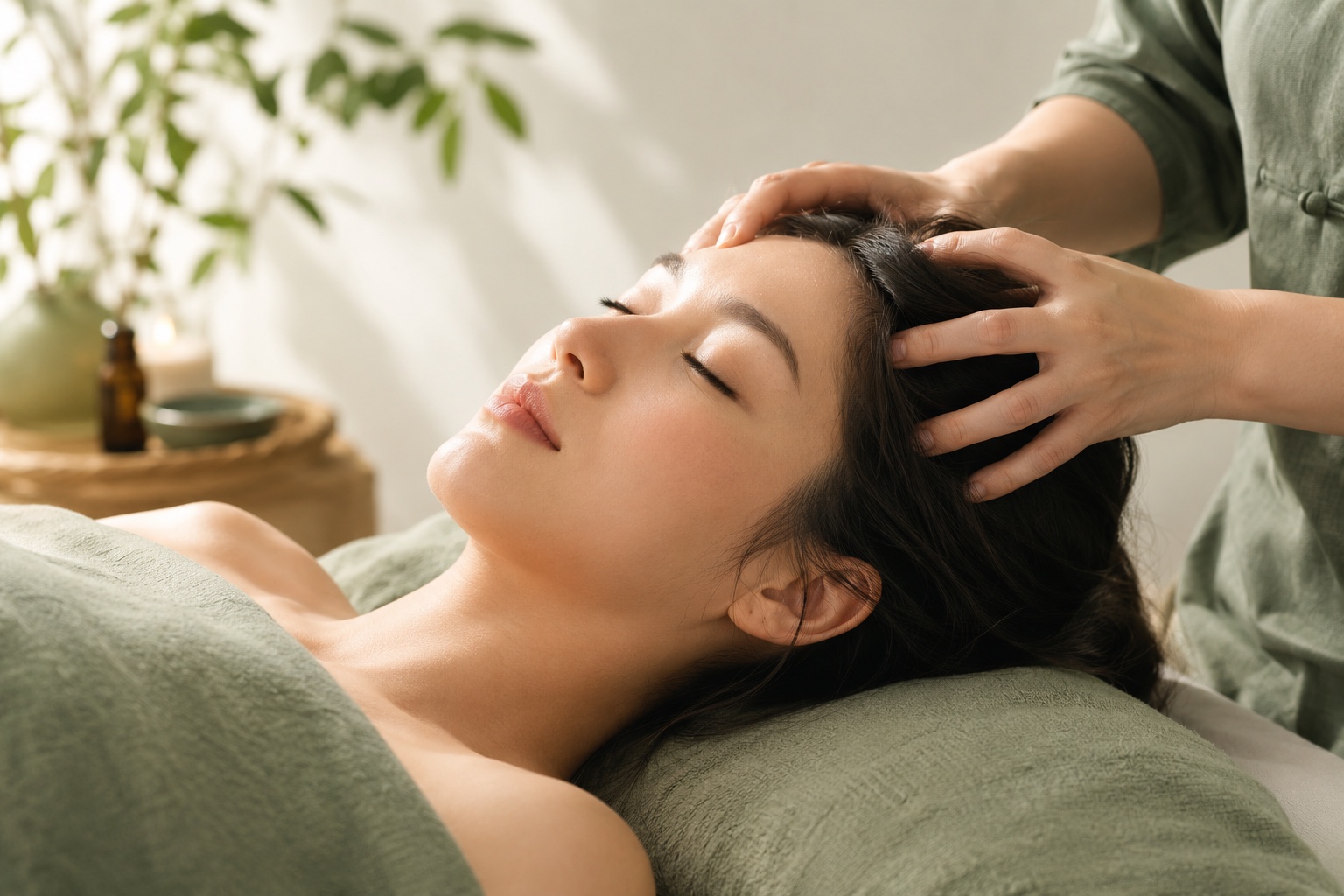
Understanding Migraines
A migraine is not just a headache. It can be accompanied by throbbing pain, sensitivity to light and sound, and nausea, and sometimes it can also affect work, sleep, and daily life.
If you're dealing with a migraine, remember that your discomfort is real. You don't need to blame yourself or feel bad because your body is unable to keep up with your usual routine for a certain period of time.
Migraine is a neurological disorder. Lack of sleep, stress, hormonal changes, dietary habits, and individual differences are factors that may be associated with its onset or attacks. Although we may not always be able to pinpoint the exact cause of every attack, by monitoring our body’s responses and daily habits, we can gradually gain a better understanding of our patterns.
What factors can trigger a migraine?
Common potential triggers include lack of sleep, skipping meals, insufficient fluid intake, stress, hormonal changes, and changes in caffeine consumption.
Every person is different. Some people experience headaches more often when they are tired or under increased stress, while some women notice a connection between headaches and their menstrual cycle.
Try to keep track of when your headaches occur, how long they last, how you slept and how you felt overall, and which part of your menstrual cycle you’re in. These notes can help you identify any patterns and also provide your doctor with useful information.
What matters isn't that you set more and more limits for yourself, but that you gradually get to know your body better and find a rhythm of life that suits you.
Migraine from the Perspective of Traditional Chinese Medicine
Traditional Chinese medicine emphasizes individual differences. According to its theory, a headache may be associated with various patterns of imbalance, so treatment does not focus solely on discomfort in the head area but also takes into account the individual’s overall condition and a personalized diagnostic assessment.
Depending on an individual's situation, factors such as qi and blood, meridians, sleep, digestion, emotional state, and daily energy levels may be important.
For example, based on its diagnostic assessment, traditional Chinese medicine may take into account a possible deficiency of qi and blood or an impaired flow of qi, and adjust its treatment approach accordingly. However, this assessment is based on the framework of traditional Chinese medicine theory, so such patterns cannot be determined solely on the basis of headache symptoms.
In appropriate cases, treatment based on the principles of traditional Chinese medicine may serve as a complementary approach for migraines, but it cannot replace necessary medical examinations, diagnosis, and appropriate treatment.
Real-Life Experiences from the DT Wellness Studio: Everyone Has Their Own Story

In my daily work at the DT Wellness Studio, I meet clients of various ages and from different walks of life. These experiences have helped me understand even more clearly that physical condition and experiences with headaches vary from person to person. That’s why we can’t treat everyone the same way.
Migraine in a Partner: A Holistic Approach
My partner has also suffered from migraines in the past.
In my individualized treatment, I incorporated approaches from traditional Chinese medicine focused on strengthening the blood and regulating the flow of qi, while also paying close attention to his overall condition. After a certain period of treatment, I noticed that his migraine attacks had become significantly less frequent.
This is our personal experience, which has further encouraged me to pay close attention to my body’s responses and take individual differences into account. Of course, personal experience cannot prove that a particular form of treatment was definitely the cause of the reduction in headaches, nor does it mean that others will achieve the same results.
Headaches Before and After Menstruation: Pay Attention to Changes in Your Menstrual Cycle
In some women, migraines occur or worsen before, during, or after their period.
I have also worked with clients who suffered from both menstrual cramps and migraines. After a period of treatment tailored to their individual needs, they reported significant improvement in both their menstrual cramps and migraines.
These experiences have encouraged me to pay even closer attention to women’s physical sensations during different physiological phases. Hormonal changes may be linked to menstrual-related migraines, but the causes vary from woman to woman. In cases of recurrent headaches associated with menstruation, it is also important to keep track of the timing of the attacks and to seek a professional medical evaluation.
Long-term and recurrent headaches: patient monitoring and ongoing assessment
I also treated a patient in her early 60s who had been suffering from headaches since childhood. The problems had persisted for several decades, and the attacks occurred in what appeared to be a consistent pattern, about every other day.
He came to the DT Wellness Studio hoping that the treatment would improve his condition and focus on the meridians throughout his body and his overall balance.
At the beginning of the treatment, he felt that his headache was more severe than before. After a few sessions, he gradually reported a reduction in his symptoms.
This experience helped me understand even better how important it is, when dealing with chronic and recurring headaches, to thoroughly assess the individual’s condition and closely monitor the body’s responses.
Migraines and Family Health: Taking Care of Your Health Even Before You Start Planning a Pregnancy
Migraines may be more common in some families. If one parent has migraines, the risk that a child will also develop them may be higher. However, this does not mean that the child will definitely develop migraines. Genetic predisposition is just one of several factors; the environment, lifestyle, and other individual factors can also play a role.
For couples preparing for the arrival of a new family member, taking care of their health can begin as early as the pregnancy planning stage.
A regular sleep schedule, a balanced diet, moderate physical activity, stress management, and, if necessary, a professional medical evaluation are important aspects of preparation.
Taking care of one’s health while planning a pregnancy helps couples better understand and care for their bodies and prepare for their future family life. Although such preparation cannot guarantee that the child will not develop migraines, it can help partners take a more conscious approach to their own health.
At DT Wellness Studio, we believe that taking care of your health isn’t just about managing current problems, but also about paying timely attention to your body during important life stages and gradually establishing healthier habits tailored to the individual.
How can we support our health through our daily habits?
In addition to a professional evaluation and appropriate treatment, it is also important to pay attention to certain daily habits.
- Maintain a regular sleep schedule: Try to go to bed and wake up at roughly the same time each day, and avoid prolonged sleep deprivation.
- Eat regularly and drink enough fluids: Avoid going long periods without eating, and pay attention to how your body reacts to changes in your diet and caffeine intake.
- Take time to rest: During a migraine attack, a quiet environment with dim lighting may be more comfortable for you.
- Track your headache patterns: Keep a record of when the pain starts, how long it lasts, any accompanying symptoms, and possible triggers.
- Manage stress in a way that works for you: Depending on your needs, choose a walk, gentle stretching, breathing exercises, or other relaxation techniques.
- Seek professional help if necessary: If headaches occur frequently, gradually worsen, or interfere with daily life, consult a doctor promptly. The suitability of acupuncture or relaxation techniques as complementary approaches should be assessed based on the individual’s condition and professional recommendations.
When it comes to diet, there is no single meal plan that works for everyone with migraines. A balanced diet and regular meals are a good starting point. Instead of unnecessarily eliminating certain foods, it’s better to first observe how your body reacts and seek professional advice if needed.
Personalized Health and Wellness Support at the DT Wellness Studio
At DT Wellness Studio, we believe that every person is unique and deserves to be listened to attentively and treated with care.
During a session, I get to know my clients’ physical sensations, lifestyle habits, and individual needs, and I tailor my approach accordingly. For me, a personalized wellness session doesn’t mean using the same procedure for everyone, but rather observing carefully, communicating openly, and respecting each individual’s responses.
In appropriate cases, gentle relaxation treatments and other supportive wellness approaches can be part of personal health care. However, I do not promise a cure for migraines, nor do I interpret every physical response as proof of the treatment’s effectiveness.
I believe the most important thing is to get to know our bodies, respect their limits, offer them support when needed, and, if necessary, recommend consulting a doctor.
You don't have to find all the answers right away
If you suffer from recurring headaches, you may have already tried various ways to manage them, but you still don't know what's causing them.
Don't expect yourself to solve all your problems at once. You can start by paying attention to changes in your body, maintaining a regular sleep schedule, and getting adequate rest, while also seeking professional help if needed.
Everyone’s experience is different. What works for others may not necessarily be right for you. Take your time, get to know your body patiently, and listen to its signals.
Your health deserves understanding, respect, and careful attention.
From our studio, with great care and warmth.
DT Wellness Studio
Personalized Wellness Treatment · Traditional Chinese Medicine · Aromatherapy
Health and well-being go hand in hand.
Health Warning: This article is intended solely for general health awareness and is not a substitute for professional medical advice, diagnosis, or treatment. If you experience a sudden, very severe headache or a headache accompanied by new-onset weakness in the limbs, difficulty speaking, confusion, or loss of vision, seek emergency medical care immediately.
Nadaljujte branje z nami
Ustvarite brezplačen račun in odklenite preostanek tega članka ter vse objave na blogu.
- Celotni članki in arhiv
- Shranjevanje priljubljenih člankov
- Komentarji in vprašanja
Že imate račun?