



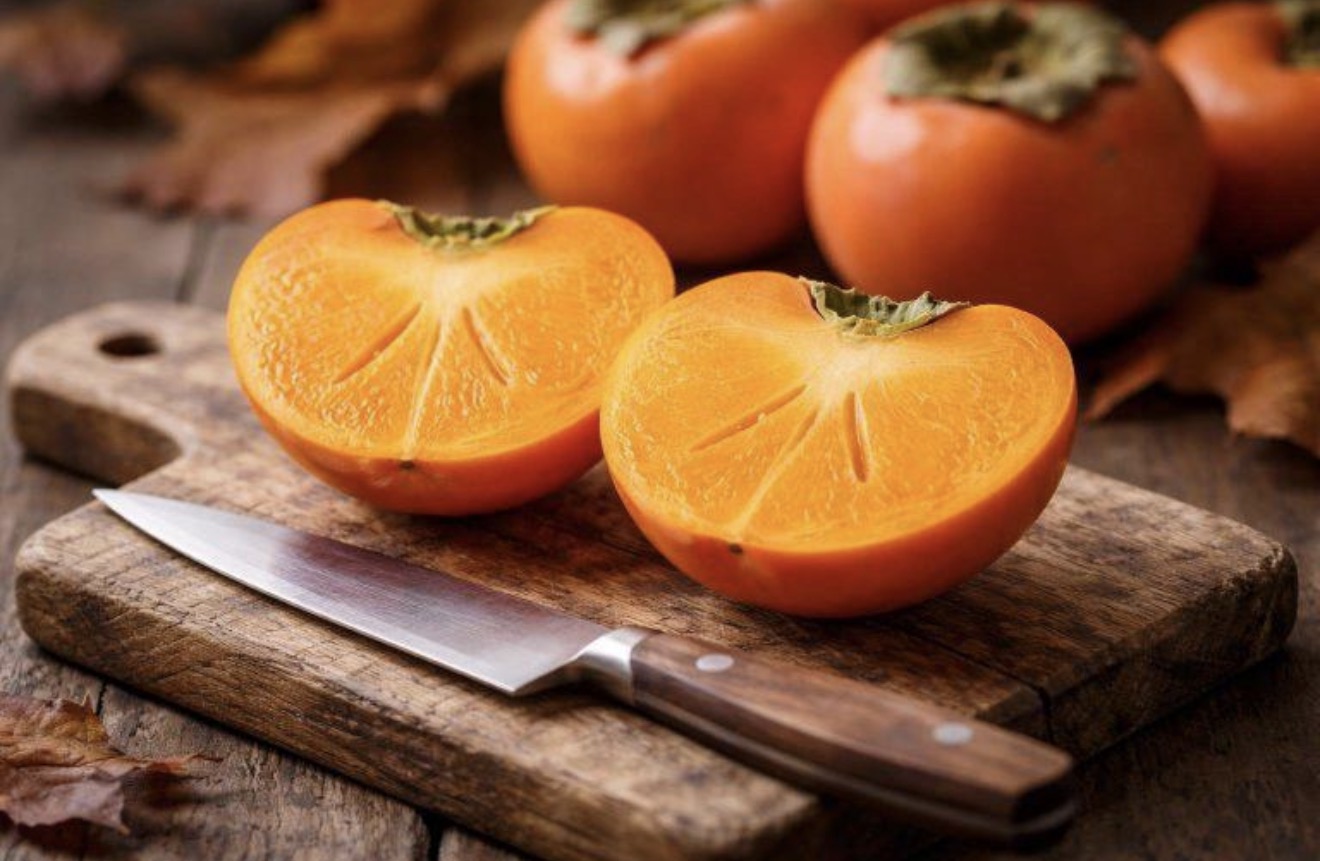
Every fall, when the persimmons ripen, many people look forward to this fruit in particular.
Soft persimmons are sweet, juicy, and melt in your mouth. Firm persimmons are pleasantly sweet and refreshing, while dried persimmons have a distinctly sweet flavor and a unique texture.
Persimmons are not only delicious but also contain numerous nutrients. However, when it comes to fruit, more is not always better. With persimmons, it’s especially important to pay attention to their tannin and dietary fiber content, their ripeness, the amount consumed, and the individual’s ability to digest them.
What is the nutritional value of persimmons? What is the difference between fresh and dried persimmons? Who should eat persimmons, and who should limit their intake? What are some common misconceptions about combining persimmons with other foods?
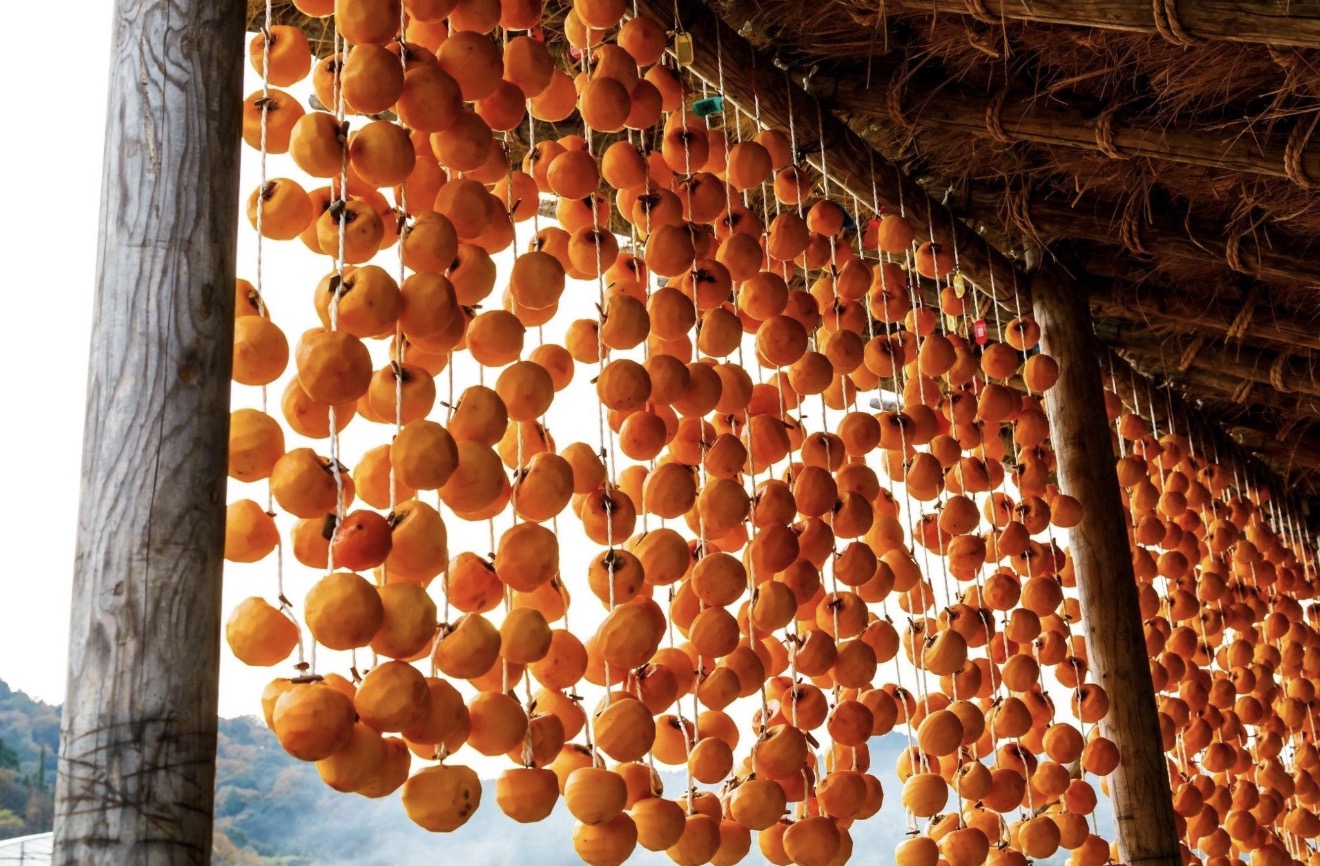
1. What is the nutritional value of a persimmon?
Persimmons contain various nutrients that our bodies need, including:
Beta-carotene and carotenoids
The orange-yellow color of persimmon flesh is due to carotenoids. Some of these can be converted in the body into vitamin A, which helps maintain normal vision and the health of the skin and mucous membranes.
Vitamin C
Fresh persimmons contain vitamin C, which contributes to the normal functioning of the immune system, collagen formation, and the body’s antioxidant protection.
Dietary Fiber
Persimmons contain a certain amount of dietary fiber, which helps maintain normal bowel movements and regular bowel movements.
Polyphenols and Antioxidants
Persimmons contain various plant polyphenols and carotenoids. These compounds have antioxidant properties and help protect cells from oxidative damage.
Minerals
Persimmons also contain minerals such as potassium and magnesium, which contribute to the normal functioning of the nervous system, muscles, and metabolic processes.
Therefore, moderate consumption of persimmons can be part of your daily fruit intake.
2. What is the difference between fresh and dried persimmons?
Both come from the same fruit, but because they are processed differently, they also differ in their nutritional characteristics.
Fresh persimmons
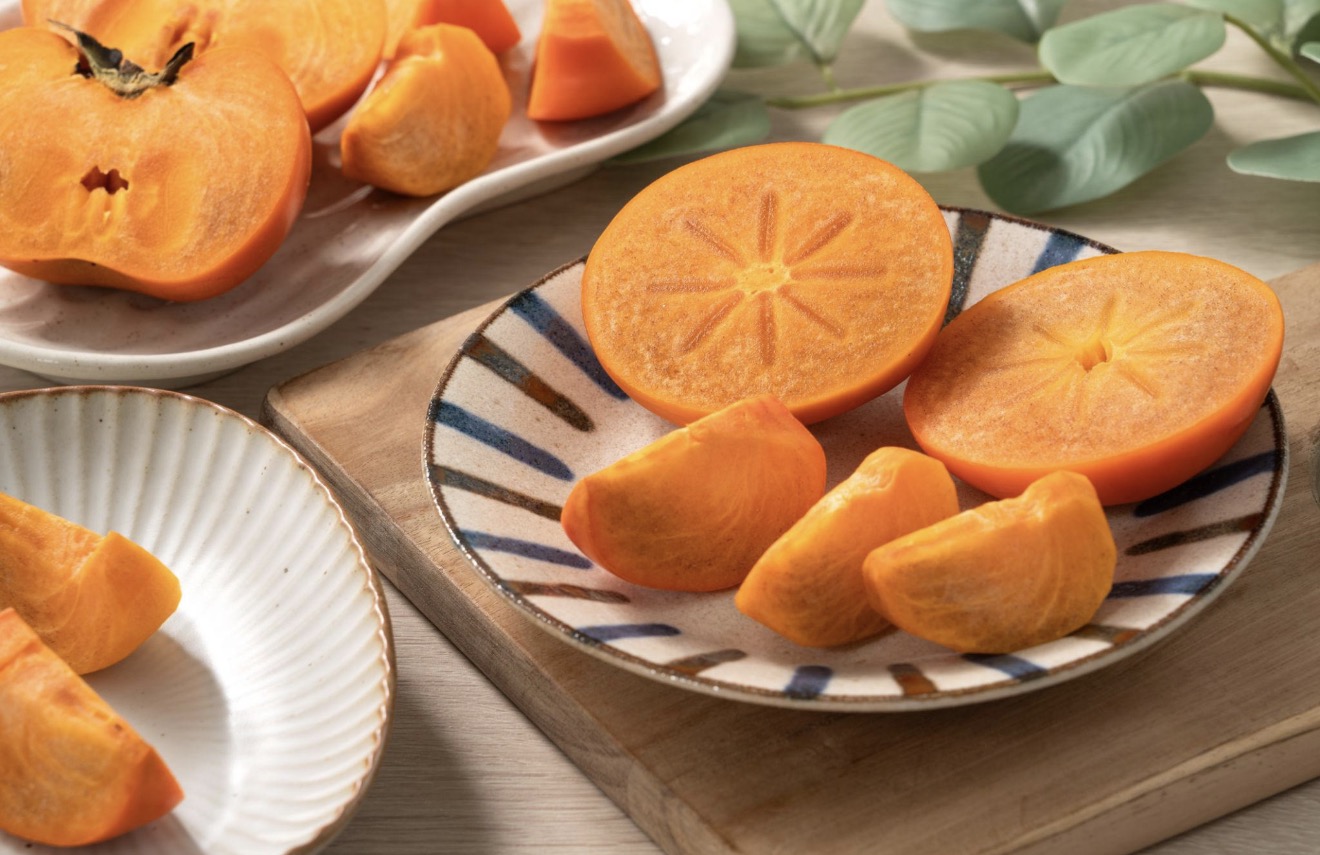
Fresh persimmons contain a lot of water, have a pleasant sweet taste, and are rich in vitamin C, carotenoids, dietary fiber, and various plant compounds.
Because it has a higher water content, it typically contains less energy and sugar than dried persimmons for the same weight.
Dried persimmons
During the drying process, the persimmon loses most of its water, so the natural sugars and other nutrients in the remaining fruit become more concentrated.
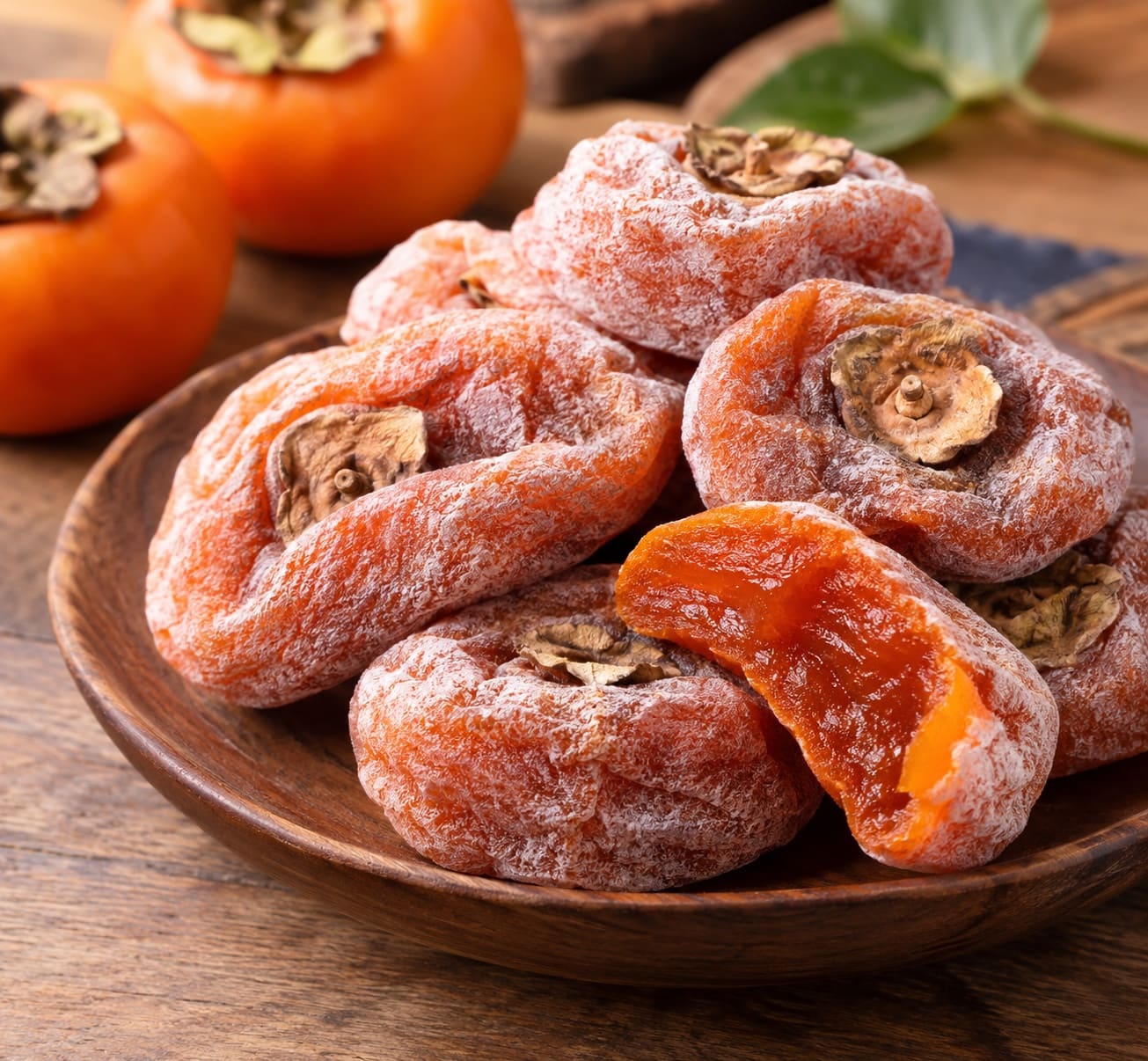
Therefore, the same amount of dried persimmon typically contains more energy, carbohydrates, dietary fiber, and potassium than fresh persimmon.
Dried persimmons are convenient to store and have a distinctly sweet taste, but it’s easy to eat too many of them without even realizing it.
It should also be noted that some vitamins, particularly vitamin C, may be lost during the drying process.
Simply put:
Fresh persimmons contain more water and are suitable for daily consumption as fruit. In dried persimmons, the nutrients and natural sugars are more concentrated, so you should be more careful about the amount you eat.
3. How should you eat persimmons?
If we want to enjoy its flavor while reducing unnecessary strain on the digestive system, it’s a good idea to follow a few recommendations.
Choose a ripe persimmon
Different varieties of persimmons have different ripening requirements.
Astringent varieties must ripen completely, and their astringency must disappear before they are eaten. Unripe persimmons contain more soluble tannins, which cause a pronounced astringent taste and can put additional strain on the digestive system.
When selecting firm varieties, choose those that have been properly ripened and are suitable for immediate consumption.
Pay attention to the amount
Healthy adults can start by eating one small to medium-sized fresh persimmon and then adjust the amount based on their diet and digestive tolerance.
Dried persimmons contain more concentrated sugars and energy, so they are better suited for consumption in smaller quantities rather than as a snack to be eaten without restriction.
Avoid consuming large amounts on an empty stomach
In particular, it is not recommended to eat large quantities of persimmons with a pronounced astringent taste on an empty stomach.
The fiber in persimmons can bind with proteins and other food components in the acidic environment of the stomach, which may increase the risk of developing a persimmon bezoar.
Eat slowly and chew your food thoroughly
Thorough chewing helps ensure normal digestion of food. This is especially important for older adults, people with poor dental health, or those who have difficulty chewing.
4. What foods should not be combined with persimmons?
There are many folk beliefs regarding dietary restrictions on eating persimmons.
For example, we often hear that we shouldn't eat persimmons with crabs, milk, seafood, or sweet potatoes, because such combinations are said to cause food poisoning.
However, we cannot generalize these claims.
At this time, there is insufficient scientific evidence to suggest that normal amounts of persimmons, when combined with these foods, cause the formation of toxic substances.
In fact, it is more important to consider the fiber content, the total amount of food consumed, and the individual's digestive capacity.
Persimmons and Milk
There is no reason to consider this combination absolutely off-limits.
However, under certain conditions, the tannins in persimmons can bind with the proteins in milk. Therefore, people with sensitive digestive systems are advised not to consume large amounts of both foods at the same time.
Persimmons and Crabs, or Seafood
There is no reliable evidence that normal amounts of persimmons, when combined with crabs or seafood, cause the formation of toxic substances.
However, if we already have a sensitive digestive system and at the same time eat a lot of seafood and persimmons, the likelihood of digestive problems may increase.
Persimmons and sweet potatoes
There is no prohibition against consuming these two foods together.
Sweet potatoes contain dietary fiber and carbohydrates that can ferment in the intestines. Persimmons also contain dietary fiber. In people who are prone to bloating, consuming too much of both foods at once can cause louder bowel movements, bloating, or increased gas.
Persimmons and strong tea
Strong tea contains polyphenols and tannins. Consuming large amounts of these substances can put additional strain on the digestive system, so it is not recommended to consume large amounts of strong tea and persimmons at the same time.
The most important thing, then, is not to memorize a long list of forbidden food combinations, but to avoid excessive consumption—especially large quantities of unripe persimmons with a distinctly astringent taste.
5. Who can eat persimmons?
For most healthy adults, ripe persimmons can be part of their daily diet.
The following groups may consume it in moderate amounts, depending on their individual needs:
- Generally healthy people: When consumed in moderation, these foods can help supplement their intake of dietary fiber, vitamins, and plant-based nutrients.
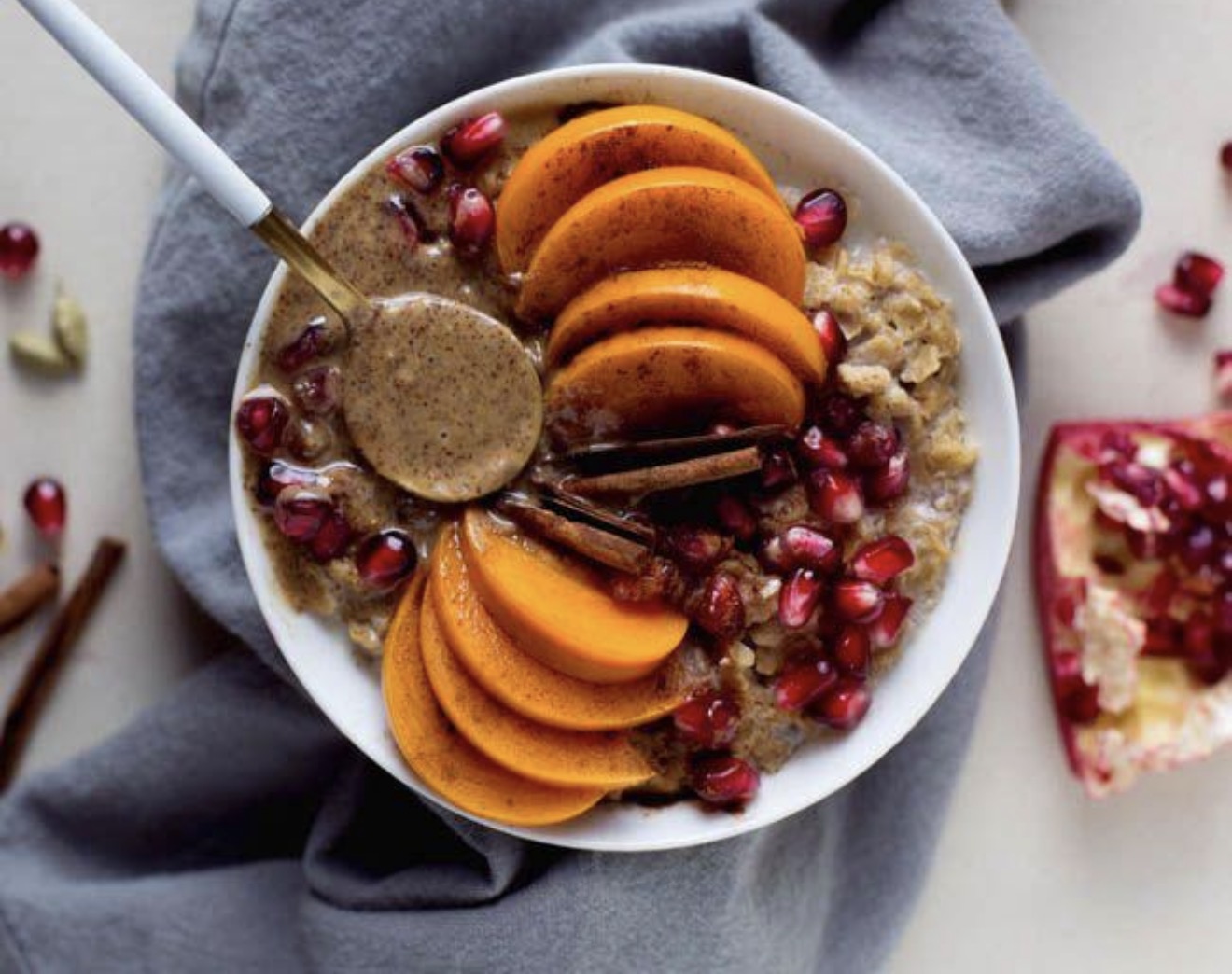
- People who want to increase their fruit intake: Fresh persimmons can be one way to add variety to your daily diet.
- People who enjoy naturally sweet snacks: They can occasionally choose a small amount of dried persimmons with no added sugar, but they should be mindful of their total sugar and calorie intake.
6. Who should eat fewer persimmons or be more careful?
People with high blood sugar or diabetes
Persimmons contain natural sugars, and dried persimmons have an even higher concentration of sugars and energy.
The amount should be adjusted based on blood sugar levels, your overall diet, and the recommendations of your doctor or a nutritionist. In particular, it is not recommended to consume large amounts of dried persimmons as a regular snack.
People with sensitive or weakened digestive systems
People who frequently experience bloating, have digestive problems, or have slower stomach emptying should exercise caution when eating persimmons. They should especially avoid eating large quantities, particularly unripe persimmons with a distinctly astringent taste.
People who have undergone gastrointestinal surgery
People who have undergone stomach surgery, or those with narrowing of the digestive tract or bowel motility disorders, may be at a higher risk of developing a gastric bezoar or intestinal obstruction.
It is therefore advisable to consult a doctor before eating persimmons.
Patients with chronic kidney disease
Persimmons contain potassium, and in dried persimmons, this mineral is even more concentrated due to water loss.
People who need to limit their potassium intake, have elevated blood potassium levels, or are undergoing dialysis should consult a doctor or nutritionist regarding the appropriateness of consumption and the appropriate amount, based on kidney function and laboratory test results.
People with a persimmon allergy
If you experience a rash, swelling of the lips or throat, difficulty breathing, or other signs of an allergic reaction after consumption, stop taking the product and seek medical attention.
If you experience difficulty breathing or swelling of the throat, seek emergency medical care immediately.
7. Special Note: Why can persimmons cause the formation of a gastric bezoar?
This is one of the most important things to know when eating persimmons.
Persimmons contain tannins; unripe persimmons, in particular, which have a distinctly astringent taste, usually contain higher levels of them.
When a large amount of dietary fiber enters the stomach, it can bind with proteins and other substances in the acidic stomach environment and, together with plant fiber, form harder clumps.
Such a formation is called a persimmon bezoar.
If the growth is large enough, it can cause:
- Pain or discomfort in the upper abdomen.
- Nausea and vomiting.
- A feeling of fullness and tightness in the stomach.
- In severe cases, intestinal obstruction may occur.
It is important to note that moderate consumption of ripe persimmons does not necessarily lead to the formation of a gastric bezoar.
The risk is usually associated with consuming large quantities, eating unripe persimmons, not chewing thoroughly, and digestive motility disorders.
If, after eating a persimmon, you experience prolonged or worsening abdominal pain, repeated vomiting, severe bloating, or an inability to pass stool or gas, you should seek medical attention promptly. Do not try to resolve the problem on your own by using laxatives.
8. A Look at Persimmons from the Perspective of Traditional Chinese Medicine
According to Traditional Chinese Medicine (TCM), persimmons have a sweet and astringent taste and a cold nature.
In traditional dietary therapy, it is believed to have cooling effects, to moisten the lungs, and to promote the production of bodily fluids.
However, from the perspective of body constitution according to TCM, not every food of a “cold” nature is suitable for everyone in large quantities.
People who frequently experience diarrhea or bloating, who often feel cold, or who, according to TCM, have a weak and cold spleen and stomach should be cautious when eating persimmons and pay attention to the amount they consume.
In this context, it is important to distinguish between the traditional understanding of the nature and taste of foods in Chinese medicine and modern nutritional science. These are two different systems for understanding food and its effects on the body, which can be viewed as two distinct perspectives.
Conclusion: Let's enjoy the taste, but let's also get to know our bodies
The persimmon is a nutritious seasonal fruit with a pleasant, sweet taste.
Fresh and dried persimmons each have their own characteristics. Because of various dietary myths and restrictions, you don't have to give them up entirely.

However, it’s also not a good idea to consume too much of it at once out of sheer enthusiasm.
Choose ripe persimmons, pay attention to portion sizes, take your digestive capacity into account, and adjust your diet to your health condition.
Health isn't just about putting certain foods on a "forbidden" list. It's more important to learn to understand food, listen to your body, and find the eating pattern that works best for you.
DT Wellness Studio
Life is short—love one another.💞
Nadaljujte branje z nami
Ustvarite brezplačen račun in odklenite preostanek tega članka ter vse objave na blogu.
- Celotni članki in arhiv
- Shranjevanje priljubljenih člankov
- Komentarji in vprašanja
Že imate račun?