

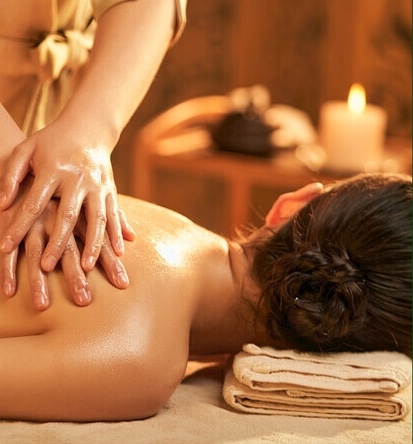

When we talk about emotions, most people first think of thoughts and feelings. However, emotions aren't just something we experience in our heads. Every emotion is accompanied by a physical response.
When we're under stress, our muscles tense up. When we're afraid, our breathing speeds up. When we're sad, we may feel a heaviness in our chest or a lump in our throat. The body and emotions are closely connected.
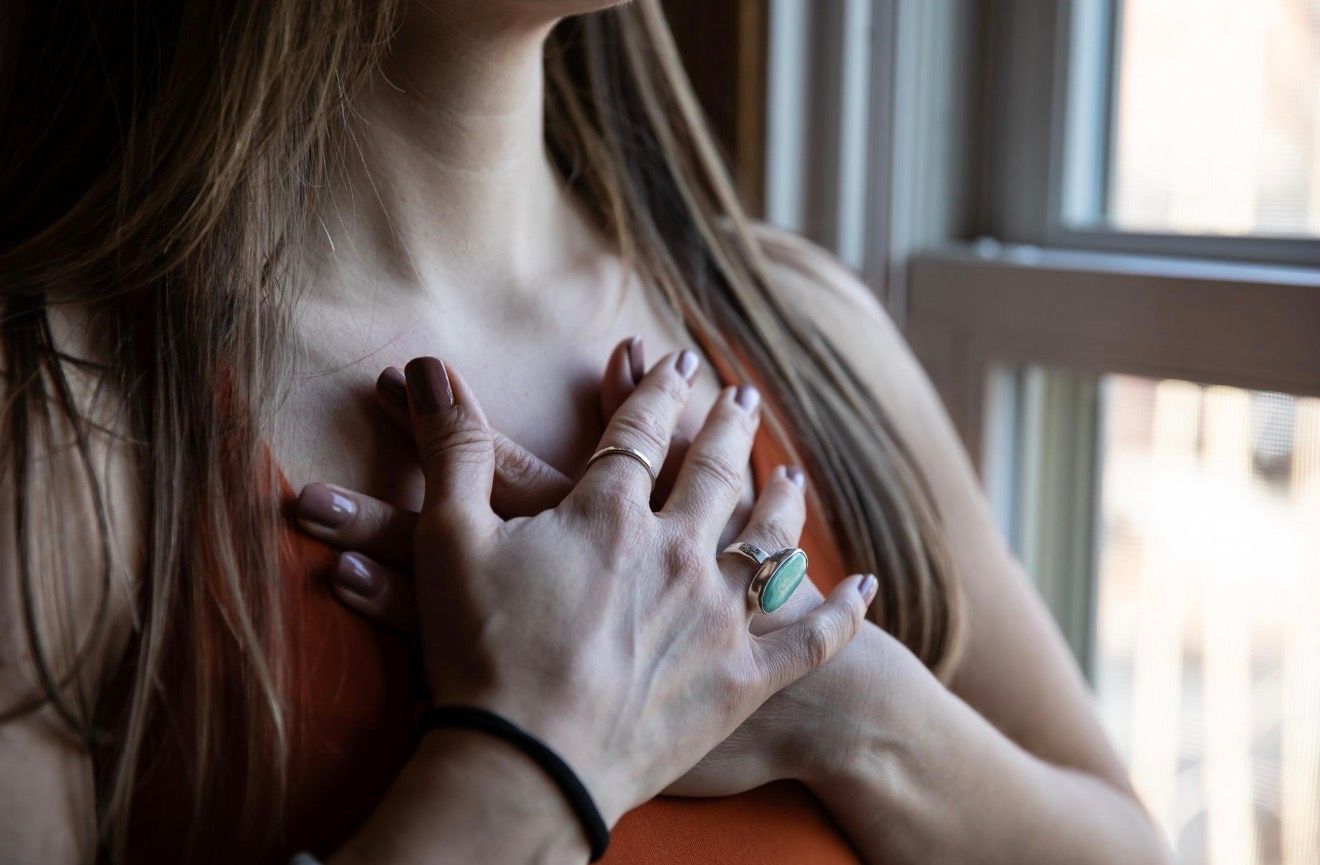
The problem arises when we don’t express our emotions or suppress them for a long time. Life often requires us to keep moving forward, even when we’re under pressure. Outwardly, we may appear calm and composed, but our bodies still bear the consequences of unprocessed stress.
Over time, this can manifest as chronic tension in the neck and shoulders, fatigue, poor sleep, or the feeling that we can’t truly relax. Many people say they’re constantly tired, even though they get enough sleep. Often, the reason isn’t a lack of rest, but the fact that their nervous system is still in a state of alertness.
That is precisely why recovery is not the same as rest. The body needs more than just a day off or a vacation. It needs a sense of security so that it can release the tension it has been holding onto for a long time.
As the body begins to calm down, our state of mind often changes as well. Our breathing becomes deeper, our movements more effortless, and our thoughts clearer. After therapy, many people say not only that they feel less pain, but also that they feel lighter and more connected to themselves.
The body often remembers even what the mind has already forgotten. That’s why it’s important to listen to its signals. Sometimes, the body doesn’t need us to push it even further. It just needs a chance to let go of what it has been carrying for too long.
DT Wellness
True regeneration begins when the body realizes it no longer has to carry everything on its own.
Life is short, love yourself 💞
Start your journey toward better health.
Nadaljujte branje z nami
Ustvarite brezplačen račun in odklenite preostanek tega članka ter vse objave na blogu.
- Celotni članki in arhiv
- Shranjevanje priljubljenih člankov
- Komentarji in vprašanja
Že imate račun?